Introduction
There’s something about traveling for Siena basketball games that creates its own rhythm. The anticipation builds days before departure, the familiar route to the airport becomes second nature, and the packing routine evolves with each trip. I’ve lost count of how many times I’ve made this journey, but what I remember clearly is the moment I realized my luggage was working against me rather than with me. The struggle with bulky, disorganized bags had become part of the pre-game stress, until one season when everything changed.
Real-life Context
My travel schedule for Siena basketball games typically involves weekend trips during the season, sometimes extending into longer stretches during tournament play. These aren’t leisurely vacations—they’re purpose-driven journeys where efficiency matters. I need to arrive with my game-day essentials organized and accessible, my clothes unwrinkled, and my energy preserved for supporting the team rather than wasted on luggage struggles. The airport dashes between connecting flights, the crowded train stations, the hotel room unpacking and repacking—each segment of the journey presents its own challenges that the right luggage can either complicate or simplify.
The carry-on limitation for most airlines means every inch of space counts, and the weight distribution affects how easily I can navigate through terminals. I learned this the hard way during one particularly chaotic trip where my overstuffed bag tipped over repeatedly while I rushed to make a connection, causing me to arrive at the game flustered and distracted. That experience made me reconsider what I truly needed from my travel companion—the piece of luggage that would accompany me season after season.
Weather variations between destinations added another layer of complexity. Some arenas would be chilly while others maintained warmer temperatures, requiring layers that needed to stay organized and accessible. The post-game clothing changes, the extra gear for unexpected weather, the souvenirs collected along the way—all these elements demanded a luggage solution that could adapt to the unpredictable nature of sports travel.
Observation
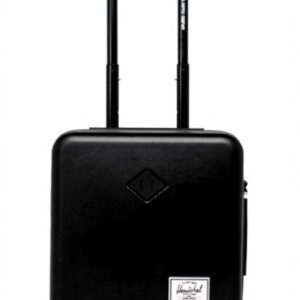
What surprised me most wasn’t any single feature but how the different elements worked together during actual use. The four wheels that promised 360-degree movement actually delivered on that promise in crowded airport corridors, allowing me to glide alongside other travelers rather than struggling with a wobbling, resistant bag. I didn’t realize how much mental energy I’d been spending on simply maneuvering my luggage until that effort disappeared. The silent rolling meant I could focus on navigating to my gate rather than listening for the telltale sounds of a struggling suitcase.
The internal organization revealed its value during security checks and quick hotel unpacking. The mesh sleeves kept my basketball gear separate from my casual clothes, and the split design meant I could access my headphones or charging cables without unpacking everything. During one rushed airport security screening, the TSA-approved lock saved me from the anxiety of whether my belongings would be secure during inspection—a small detail that made a significant difference to my travel peace of mind.
I began noticing how the polycarbonate shell handled the inevitable bumps and scrapes of travel. The luggage compartments on buses, the overhead bins, the trunk spaces—each presented opportunities for damage that never materialized. The durability became apparent not through dramatic events but through the absence of them: no cracks after being wedged into a tight overhead compartment, no scratches that compromised the appearance, no broken handles from being pulled across uneven surfaces.
The color options mattered more than I expected. Choosing the moonbeam shade made my bag easily identifiable on the luggage carousel, saving precious minutes during tight connections. This visual distinction became particularly valuable during tournament travel when multiple games meant multiple hotls and the constant packing and unpacking cycle. I could spot my luggage immediately in a sea of similar black bags, a small but meaningful efficiency during already hectic travel days.
Reflection
I didn’t realize at the time that this would be so important, but the recycled materials aspect gradually took on deeper meaning throughout the season. Knowing that 70% of the polycarbonate came from road barricades gave the luggage a story beyond its function. It became a reminder that thoughtful design considers not just immediate utility but broader impact. Each time I wheeled it through another airport, I appreciated that durability and sustainability weren’t mutually exclusive but could coexist in a practical travel solution.
The carry-on size limitation, which I initially viewed as a constraint, revealed itself as a benefit in disguise. It forced me to be more intentional about what I brought to each Siena basketball game, eliminating the unnecessary items I used to pack ‘just in case.’ This mindfulness extended beyond packing to how I approached the trips themselves—focusing on essentials, both in my luggage and in my game-day experience. The physical limitation of space became a mental practice in prioritization.
There was a subtle shift in how I experienced the journey to each game. The reliability of the luggage created one less variable to worry about, allowing me to be more present during the travel itself. Instead of anticipating luggage frustrations, I could focus on the excitement of the upcoming game, the conversations with fellow travelers, the unique atmosphere of each city we visited. The luggage became an invisible support system rather than a source of stress.
I began to appreciate how design choices I hadn’t initially noticed—the handle height, the wheel placement, the zipper quality—collectively created a seamless experience. None of these elements stood out individually, but together they formed a system that worked intuitively. This harmony between components mirrored what I appreciate about basketball itself: individual skills matter, but it’s how they combine that creates excellence.
Conclusion
Traveling for Siena basketball games will always involve some degree of unpredictability—delayed flights, weather changes, last-minute schedule adjustments. What has changed is how I navigate these variables. The right luggage hasn’t eliminated the challenges of travel, but it has transformed my relationship with them. Instead of wrestling with an uncooperative bag, I move through airports and hotels with a reliable companion that handles the practicalities while I focus on the purpose of the journey.
The value extends beyond any single trip. Season after season, this luggage has proven its durability through countless miles and varied conditions. The initial investment has distributed itself across dozens of games and cities, becoming not just a purchase but a travel partner. The scratches and minor wear marks tell their own story of arenas visited and games experienced.
What began as a solution to a packing problem became something more meaningful—a tool that supports rather than complicates the experience of following Siena basketball. The games themselves remain the focus, but the journey to each one has become part of the enjoyment rather than an obstacle to endure. The right luggage doesn’t just carry your belongings; it carries your attention to where it matters most.
Looking ahead to next season’s schedule, I no longer feel that familiar dread about the travel logistics. The packing routine has become streamlined, the airport navigation effortless, the hotel transitions smooth. The luggage has faded into the background of my game-day experiences, which is exactly what good design should do—solve problems so completely that you forget they ever existed. And that, perhaps, is the greatest compliment to any travel companion.