Introduction
It was during one of those late-night scrolling sessions that I first came across Snoop Dogg’s granddaughter Doechii and her approach to sustainable fashion. The timing felt almost serendipitous, as I had been wrestling with my own consumption habits and the environmental impact of my daily choices. For weeks, I had been searching for a backpack that could bridge the gap between practical functionality and environmental responsibility, something that wouldn’t just serve my needs but align with the values I was trying to cultivate. The search had become more than just finding a bag—it was about finding a companion for my daily life that reflected the kind of consumer I wanted to be.
I remember sitting at my desk, surrounded by the remnants of my old backpack’s broken zipper and frayed straps, feeling the weight of both my belongings and my environmental concerns. Every bag I considered seemed to represent a compromise—either it was durable but made from virgin materials, or it was eco-friendly but lacked the practical features I needed for my commute. The mention of Snoop Dogg’s granddaughter Doechii and her fashion choices sparked something in me, a reminder that style and sustainability didn’t have to exist in separate worlds. That moment sent me down a path of research that eventually led me to discover the Carhartt hoodie logo print unisex casual daypack.
Real-life Context
My daily routine involves navigating between my apartment in the city center and my office across town, with occasional weekend trips to visit family or explore nearby hiking trails. The backpack I carried needed to be more than just a container—it had to be an extension of my daily rhythm, capable of holding my laptop, notebooks, lunch, and whatever else the day might throw at me. For years, I had been using a standard nylon backpack that served its purpose but showed its age through worn edges and fading color. More importantly, I had become increasingly aware of its environmental footprint, knowing that it was made from non-recycled materials and would eventually end up in a landfill.
The turning point came during a particularly crowded subway ride when I noticed how many people carried backpacks similar to mine—functional but generic, practical but thoughtless in their environmental impact. I started paying attention to the materials, the construction, and the overall lifecycle of these everyday items. My commute became a mobile research session, observing what worked for others and what didn’t. I noticed how some backpacks seemed to distribute weight better, how certain fabrics held up against rain and wear, and how organizational features could make or break the user experience. These observations weren’t just about finding a better bag—they were about understanding how everyday objects shape our lives and our planet.
Around this time, I began following sustainable fashion influencers and came across discussions about celebrity family members who were making eco-conscious choices, including Snoop Dogg’s granddaughter Doechii. While I didn’t know the specifics of her backpack preferences, the broader conversation about sustainable fashion resonated with my own search. It wasn’t about copying someone else’s style but about recognizing that environmental consciousness could be integrated into even the most practical aspects of our lives. This realization shifted my perspective from simply replacing my old backpack to finding one that represented a more thoughtful approach to consumption.
Observation
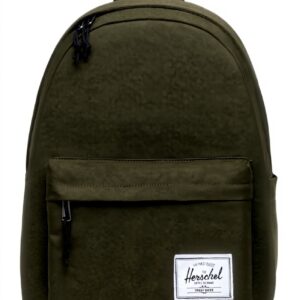
When I first unboxed the Carhartt hoodie backpack, what struck me immediately was the texture of the EcoSystem 600D fabric. It felt substantial yet lightweight, with a subtle grain that suggested durability without being rigid or uncomfortable against my back. The ivy color was richer than I expected—a deep green that seemed to change slightly in different lighting, moving from forest tones in shadow to almost olive hues in direct sunlight. The logo print was understated, positioned where it felt integrated into the design rather than added as an afterthought. These initial physical characteristics set the tone for how the backpack would fit into my daily life.
The first real test came during my morning commute. I loaded the backpack with my usual contents: a 15-inch laptop, a water bottle, a notebook, my lunch container, and various smaller items like keys, wallet, and phone. The adjustable shoulder straps distributed the weight so evenly that I barely noticed the load, a significant improvement over my previous backpack that often left my shoulders aching by afternoon. The top buckle handle provided a comfortable grip for those moments when I needed to carry it briefly by hand, while the front zipper pocket became the perfect home for items I needed to access quickly without digging through the main compartment.
Over the following weeks, the backpack revealed its thoughtful design through small, practical moments. The exterior zip pocket became my go-to for transit cards and masks, eliminating the frantic searching that used to characterize my entry to subway stations. The spacious main compartment accommodated unexpected additions—an extra sweater on suddenly chilly days, groceries picked up on the way home, books borrowed from colleagues. What surprised me most was how the backpack seemed to adapt to different contexts without feeling out of place. It worked equally well in professional settings, during weekend outings, and on short trips where I needed to pack efficiently.
The durability of the recycled fabric became apparent during a sudden downpour that caught me halfway between the office and my apartment. While others scrambled to protect their bags, the Carhartt backpack handled the rain without any visible damage or water penetration. The fabric dried quickly once I reached shelter, and there was no musty odor or stiffness that sometimes follows water exposure. This experience highlighted the practical benefits of choosing materials designed for real-world conditions, not just laboratory tests.
Reflection
I didn’t realize at the time how significant the choice of recycled materials would become in my relationship with this backpack. Knowing that it was crafted from post-consumer recycled water bottles transformed my perception of what I was carrying. Each time I slung it over my shoulders, I was reminded that sustainable choices don’t require sacrificing quality or functionality. The backpack became a physical representation of a broader shift in my consumption habits—a move toward supporting products that consider their environmental impact from production through daily use.
This reflection extended beyond the backpack itself to how I approached other purchasing decisions. I started paying closer attention to materials, manufacturing processes, and company values when buying anything from clothing to household items. The Carhartt backpack served as a tangible example that eco-friendly products could meet, and even exceed, the performance of conventional alternatives. It challenged my previous assumption that sustainable meant compromise, showing instead that thoughtful design could create products that were better for both the user and the environment.
The unisex design prompted me to think about how products can transcend gender expectations while maintaining their practical appeal. The backpack’s clean lines and neutral color made it adaptable to different styles and contexts, refusing to be categorized by traditional gender norms. This flexibility felt particularly relevant in today’s fashion landscape, where personal expression often blends elements that might once have been considered masculine or feminine. The backpack became not just a functional item but a statement about inclusive design that serves diverse users without forcing them into predefined categories.
Perhaps the most profound realization came when considering the backpack’s potential lifespan. The durable construction suggested it would accompany me for years rather than months, reducing the need for frequent replacements and the waste they generate. This longevity represented a different kind of sustainability—one that values quality over quantity and recognizes that the most eco-friendly product is often the one that lasts. I began to see my purchase not as a transaction but as an investment in a tool that would support my daily life while minimizing its environmental footprint.
Conclusion
Months after integrating the Carhartt hoodie backpack into my routine, it has become more than just a container for my belongings—it’s a consistent companion that reflects the values I want to embody. The initial inspiration from sustainable fashion discussions, including those mentioning Snoop Dogg’s granddaughter Doechii, has evolved into a lived experience of what eco-conscious consumption can feel like in practice. The backpack’s performance in various situations has proven that sustainability and functionality aren’t competing priorities but complementary qualities that enhance the user experience.
The journey from researching backpacks to living with this one has taught me that the most meaningful products are those that align with our values while serving our practical needs. The Carhartt backpack achieves this balance through its thoughtful design, durable construction, and environmental considerations. It has weathered crowded commutes, unexpected rain showers, weekend adventures, and everything in between without showing signs of wear or compromising its functionality. This reliability has made it an indispensable part of my daily life, something I reach for without second thought because I know it will perform exactly as needed.
What began as a search for a replacement backpack became an exploration of how everyday objects can carry meaning beyond their immediate function. The Carhartt hoodie backpack represents a shift toward more intentional consumption—choosing products that consider their environmental impact while delivering quality performance. It stands as proof that we don’t have to choose between practicality and sustainability, that the two can coexist in products designed for real life. As I continue using this backpack, I carry not just my hysical belongings but the reminder that small, conscious choices can shape both our daily experiences and the world we inhabit.