Introduction
When people ask me about living in Brooklyn, I always find myself talking about the weather first. There’s something about the way the light changes over the brownstones, the sudden shifts from sunny mornings to drizzly afternoons, that defines the rhythm of life here. As someone who walks everywhere – to the coffee shop where I write, to meet friends in different neighborhoods, to the park for a moment of quiet – I’ve learned that what you carry with you matters almost as much as where you’re going. For years, I cycled through different bags, never quite finding one that felt right for both my work as a freelance writer and the unpredictable nature of Brooklyn’s climate. Then I started paying attention to what I actually needed versus what I thought I needed, and that’s when things changed.
Real-life Context
My typical day involves multiple transitions – from home office to coffee shop, from subway to client meetings, from sunny streets to sudden rain showers. I carry a 13-inch laptop that contains my entire professional life, along with notebooks, a water bottle, and usually a sweater or light jacket for when the temperature drops unexpectedly. For too long, I used a messenger bag that left one shoulder perpetually sore and offered no protection when the skies opened up without warning. I’d find myself ducking under awnings, trying to shield my electronics from the rain, or struggling with a bag that felt increasingly heavy as the day wore on. The physical discomfort became a constant background noise in my daily routine, something I accepted as inevitable until I realized it didn’t have to be that way.
What surprised me was how much the wrong bag affected my mood and productivity. On days when my shoulder ached or I had to rearrange my schedule because of rain, I felt less inclined to explore the city or take on additional work. The bag became not just a practical problem but an emotional one too – a symbol of compromise and inconvenience. I started noticing what other people carried, how they moved through the city with apparent ease while I constantly adjusted straps and shifted weight from one side to the other. The turning point came during a particularly temperamental spring week when I found myself caught in three separate downpours, each time worrying about my laptop and important documents getting soaked.
Observation
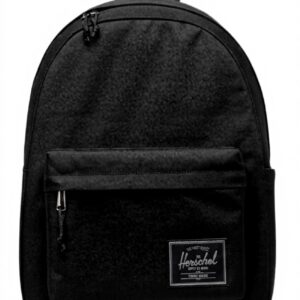
The first thing I noticed about the Herschel backpack was how it changed my relationship with carrying things. The adjustable padded shoulder straps distributed weight in a way that felt fundamentally different from anything I’d used before. Instead of feeling the strain in one particular area, the weight seemed to spread evenly across my back and shoulders. This might sound like a small thing, but when you’re walking several miles a day through neighborhoods like Williamsburg to DUMBO, those small comforts accumulate into significant quality-of-life improvements. I found myself standing straighter, walking more comfortably, and arriving at destinations feeling less physically drained than before.
Then there was the matter of organization. The front pocket with zippered closures became where I kept items I needed quick access to – my metro card, keys, lip balm. The dedicated water bottle pocket meant I no longer had to balance a leaking bottle inside the main compartment or carry it in my hand. But the most significant improvement came from the floating laptop sleeve designed specifically for 13-14 inch devices. For the first time, my computer had its own protected space rather than being wedged between books and other items. I didn’t realize how much mental energy I’d been spending worrying about my laptop until that concern simply disappeared.
The weather resistance proved more valuable than I anticipated. Brooklyn weather has a way of shifting dramatically within hours – bright sunshine giving way to sudden showers, then clearing just as quickly. The water-resistant recycled materials meant I could walk through light rain without panicking about my belongings. I remember one afternoon specifically, walking from my apartment to a meeting in Greenpoint when the sky darkened unexpectedly. Instead of searching for cover or hailing a cab, I simply kept walking, confident that my laptop and notebooks were protected. That small moment of continuity in what would have previously been a disrupted journey felt quietly revolutionary.
Reflection
What struck me most wasn’t any single feature but how the backpack’s design acknowledged the reality of moving through urban spaces. The unisex design meant it worked equally well whether I was wearing jeans and a t-shirt or something more formal for meetings. The 26L size contained everything I needed without feeling bulky or overwhelming on crowded subways. I began to appreciate small details I hadn’t considered important before – like how the black tonal color didn’t show wear as quickly as previous bags, or how the sustainable materials aligned with values I’d been trying to incorporate into other areas of my life.
I didn’t realize at the time that this would be so important, but the backpack’s construction from 100% recycled post-consumer water bottles added a layer of meaning to my daily routine. Living in a city that generates so much waste, carrying something made from repurposed materials felt like a small but meaningful act. It made me more conscious of other consumption choices too – the coffee shops I supported, the products I bought, the ways I could reduce my environmental impact in a metropolitan setting. The backpack became not just a practical tool but a reminder that sustainable choices could be seamlessly integrated into an urban lifestyle.
There was also something about the backpack’s durability that changed my perspective on consumption. In a culture that often encourages constant replacement and upgrading, using something that held up day after day, through various weather conditions and heavy use, felt quietly subversive. I found myself thinking less about what I might need next and more about how well what I already had was serving me. This shift from acquisition to appreciation represented a deeper change in how I approached not just my belongings but my life in the city more broadly.
The backpack’s versatility across different scenarios – work days, weekend explorations, quick trips – meant it became my constant companion rather than something I switched out depending on the occasion. This consistency brought a sense of reliability to my movements through the city. I no longer had to think about which bag to use or worry about whether it would suit my plans for the day. That mental space previously occupied by bag-related decisions became available for more meaningful thoughts and observations about the city around me.
Conclusion
Living in Brooklyn has taught me that the right tools can transform your experience of a place. The weather here will always be unpredictable, the distances between neighborhoods will always require walking, and the need to carry essential items will remain constant. What changes is how you meet those conditions – whether with resistance and discomfort or with equipment that works with your lifestyle rather than against it. This backpack became that kind of tool for me, something that faded into the background of my daily life while simultaneously improving it in small but significant ways.
The most valuable things often aren’t the most dramatic – they’re the ones that solve problems you didn’t realize were solvable, that make difficult tasks easier without fanfare. A backpack might seem like a simple thing, but when it’s designed with understanding of how people actually live and move through spaces, it becomes something more. It becomes a reliable partner in navigating the complexities of urban life, something that supports rather than hinders, that protects rather than exposes, that lasts rather than wears out.
Brooklyn’s weather patterns continue to shift, sometimes within the same hour, and my days still involve multiple transitions between neghborhoods and activities. But now these movements feel smoother, more integrated, less fraught with practical concerns. The right equipment hasn’t changed the city, but it has changed my experience of moving through it – and sometimes that distinction makes all the difference. What began as a search for a better way to carry my laptop became a lesson in how the right tools can quietly improve our daily lives in ways we might not anticipate but come to deeply appreciate.