Introduction
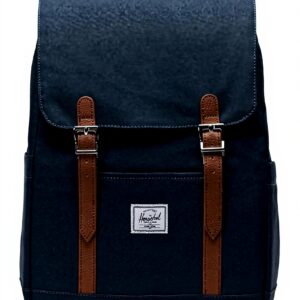
I first noticed the Herschel Retreat Small Backpack during a particularly hectic week when my usual bag had given out after years of service. The timing felt almost serendipitous—I needed something durable yet thoughtful for my daily routine, and the mention of gary cohn | fraser minten in relation to sustainable products had lingered in my mind from a recent conversation. What struck me initially wasn’t just the backpack’s appearance but the quiet promise of its construction from entirely recycled materials. I didn’t ealize at the time how much this small detail would shape my experience, turning what could have been just another purchase into something more meaningful.
Real-life Context
My days typically involve navigating between my apartment, a co-working space, and various coffee shops around the city. I carry a 13-inch laptop, a couple of notebooks, a water bottle, and the usual assortment of cables and personal items. The transition between environments means I need something that doesn’t just hold my belongings but adapts to different settings—whether I’m squeezing onto a crowded train or settling into a quiet corner for focused work. The backpack’s description mentioned it was perfect for students, professionals, or casual outings, which aligned perfectly with my hybrid schedule of work and personal time.
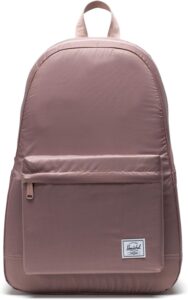
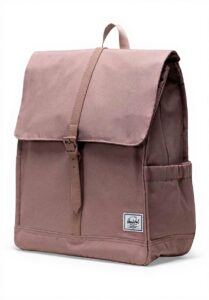
When the backpack arrived, the first thing I noticed was the texture of the EcoSystem 600D fabric. It felt substantial yet lightweight, with a subtle grain that suggested durability without being rigid. The color I chose was Moonbeam, a soft neutral that wouldn’t show wear easily. Opening it revealed the tonal stripe EcoSystem liner, also made from recycled materials, which gave the interior a clean, organized look. The padded floating sleeve immediately caught my attention—it seemed perfectly sized for my laptop, with enough cushioning to protect it during transit but without adding bulk.
Adjusting the EVA-padded shoulder straps was straightforward, and they felt comfortable even before I loaded the bag. The easy U-pull drawcord closure promised quick access, which I appreciated for those moments when I needed to grab something without fumbling. At 17 liters, the Small size seemed ideal for my needs—enough space for essentials without encouraging overpacking. I started using it the next day, curious to see how it would hold up against the demands of city life.
Observation
Over the following weeks, the backpack became an integral part of my daily rhythm. On mornings when I rushed to catch the bus, the drawcord closure proved invaluable—I could secure my items quickly without wrestling with zippers or buckles. The padded laptop sleeve kept my computer snug and protected, even when I had to jog to make a crossing before the light changed. I often found myself appreciating the adjustable straps during long walks between meetings; their EVA padding distributed weight evenly, preventing the shoulder strain I’d experienced with previous bags.
One afternoon, caught in an unexpected downpour, I worried about my laptop getting wet. But the recycled fabric repelled water effectively, and everything inside remained dry. This reliability in unpredictable weather became something I counted on, especially during season transitions when showers could appear without warning. The backpack’s unisex design meant it didn’t feel out of place in any setting—whether I was at a formal co-working space or a casual park bench, it blended seamlessly into the environment.
I also noticed how the eco-friendly construction influenced my mindset. Knowing that the fabric came from recycled post-consumer water bottles made me more conscious of my own consumption habits. It wasn’t just about carrying my belongings; it was about supporting a product that aligned with values of sustainability. This subtle shift in perspective made the backpack feel like more than a functional item—it became a small statement about the kind of choices I wanted to make in my daily life.
During weekend outings, the backpack’s versatility shone. It comfortably held a light jacket, a book, and snacks for a day at the park, yet remained compact enough not to feel cumbersome. The drawcord closure allowed easy access to my water bottle or sunglasses without having to remove the bag. In coffee shops, it tucked neatly under tables or beside chairs, its streamlined profile avoiding the clutter that bulkier bags often create. These small conveniences accumulated over time, making the backpack feel like a reliable partner rather than just an accessory.
Reflection
About a month into using the Herschel Retreat backpack, I found myself thinking about how certain products can quietly reshape our routines. I hadn’t expected something as simple as a backpack to influence how I moved through my days, but the thoughtful design elements—from the recycled materials to the practical features—had created a sense of ease I hadn’t realized was missing. The backpack’s ability to adapt to different scenarios reminded me that good design isn’t about standing out but about fitting seamlessly into our lives.
I reflected on why the sustainable aspect mattered more than I’d anticipated. Initially, I’d seen it as a bonus feature, but over time, it became central to my appreciation of the product. Every time I used the backpack, I was reminded that durability and environmental responsibility could coexist without compromise. This realization extended beyond the backpack itself—it made me more attentive to other products I used daily, considering their materials and longevity in ways I hadn’t before.
The backpack also made me reconsider what I truly needed to carry. Its 17-liter capacity forced me to be selective, prioritizing essentials over unnecessary items. This unintentional minimalism brought a clarity to my daily preparations, reducing the mental load of deciding what to bring. I found that having less stuff to manage made transitions between activities smoother, whether I was heading to a meeting or meeting friends after work. The backpack’s design, in its subtle way, encouraged a more intentional approach to my belongings.
There were moments when the backpack’s practicality surprised me—like when I realized the drawcord closure allowed me to access items while keeping the bag securely on one shoulder, or how the padded straps remained comfortable even during extended wear. These small discoveries accumulated, creating a sense of reliability that went beyond mere functionality. The backpack became something I didn’t have to think about, which in itself was a luxury in a busy life filled with constant decisions and adjustments.
Conclusion
Looking back, the Herschel Retreat Small Backpack offered more than just a solution to carrying my daily essentials. Its integration of sustainable materials with practical design created an experience that felt both responsible and effortless. The backpack didn’t demand attention or make grand statements—instead, it quietly supported my routine, adapting to different needs without fuss or complication. This understated reliability became its most valuable quality, proving that sometimes the best products are those that seamlessly become part of our lives rather than distracting from them.
The journey with this backpack reminded me that thoughtful design often lies in the details we might initially overlook. The recycled fabric, the padded laptop sleeve, the adjustable straps—each element worked together to create a whole that was greater than the sum of its parts. What began as a replacement for a worn-out bag evolved into a companion that reflected my values and supported my daily rhythm. In a world filled with disposable products and short-lived trends, finding something built to last—both in physical durability and sustainable principles—felt like a small but significant anchor.
As I continue using the backpack, I appreciate how it has maintained its quality and functionality without showing signs of wear. The Moonbeam color has stayed fresh despite daily use, and the fabric has proven resilient against the bumps and scrapes of city life. This longevity reinforces the initial promise of the product—that eco-friendly choices don’t require sacrificing performance or style. The backpack has become a testament to how conscious design can enhance our daily experiences in ways that are both practical and meaningful.
Ultimately, the value of the Herschel Retreat backpack lies not in any single feature but in how all its elements combine to support a fluid, adaptable lifestyle. It has taught me that the best products are those that understand our needs without shouting about their solutions—they simply work, day after day, becoming trusted parts of our routines. In a time when we’re constantly evaluating our consumption and its impact, finding items that align with our values while serving us well feels like a quiet victory worth celebrating.